Maintaining Wood Surfaces: Cleaning, Care & When to Refinish
Introduction: Why Wood Care Matters
Wood has always symbolized warmth, strength, and timeless beauty. From classic furniture to modern interiors, it adds unmatched elegance. However, wood is a natural material — it breathes, expands, and reacts to its environment. Without proper care, it can lose shine, develop cracks, or fade.
Regular cleaning, proper maintenance, and timely refinishing can extend its life and preserve its beauty for decades. In this guide, we’ll explore how to maintain wood surfaces effectively and when refinishing becomes necessary.
Understanding Wood Surfaces
Before jumping into care routines, it’s crucial to understand the type of wood and coating you have:
- Hardwoods (Teak, Oak, Mahogany): Dense and durable, ideal for heavy-use furniture.
- Softwoods (Pine, Cedar): Lighter, often used for decorative pieces.
- Engineered Wood (MDF, Plywood): Affordable and versatile, needs protective coatings for durability.
Each type requires specific cleaning and refinishing techniques depending on the finish applied — PU (Polyurethane), Melamine, NC (Nitrocellulose), or natural oil finish.
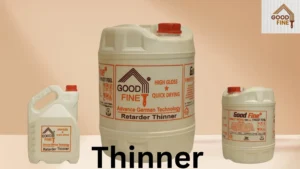
Good Fine’s wood coatings and thinners ensure protection from heat, humidity, and wear — making care simpler and long-lasting.
Daily Cleaning Tips: Gentle Yet Effective
Use a Soft, Dry Cloth
Dust furniture regularly using a microfiber or soft cotton cloth. Avoid rough fabrics that can scratch the surface.
Never Use Excess Water
Moisture is wood’s biggest enemy. Always wring out wet cloths completely. Even a small amount of water can seep into joints and damage the finish over time.
Use Mild Cleaners
If needed, use a few drops of mild dish soap in water. For PU or NC finishes, Good Fine’s thinner or cleaner can remove greasy buildup effectively without dulling the shine.
Avoid Direct Sunlight
Continuous UV exposure fades color and causes surface cracks. Position furniture away from windows or use curtains/blinds to limit exposure.
Weekly & Monthly Maintenance
Polishing
Apply a thin layer of wood polish once or twice a month. Choose a non-silicone, non-wax formula compatible with your coating. PU-finished surfaces look best with Good Fine PU Polish, which restores gloss without leaving residue.
Conditioning
For natural or oil-finished wood, use a conditioner or mineral oil every few months to nourish the wood and prevent drying.
Inspect for Early Damage
Check corners and undersides for small cracks, dullness, or rough patches. Catching them early prevents deeper damage.
Long-Term Care: Protecting Against Environment & Usage
Control Humidity
Keep indoor humidity between 40–60%. Use dehumidifiers or air conditioners to prevent wood from expanding or contracting excessively.
Temperature Stability
Extreme temperature fluctuations cause coatings to blister or peel. Maintain consistent room temperature.
Use Protective Mats & Coasters
Always place mats under hot dishes or cups. This prevents “white rings” caused by moisture trapped between heat and coating.
Re-coating High-Traffic Areas
Tabletops, kitchen cabinets, and flooring take the most abuse. Consider re-applying a thin topcoat every 2–3 years to maintain protection.
Signs It’s Time to Refinish
Even the best coatings need renewal after years of wear. Here’s how to tell when:
Sign | What It Means | Recommended Action |
Surface looks dull even after cleaning | Coating has worn off | Light sanding + new PU topcoat |
Scratches or minor cracks | Finish layer compromised | Sand lightly, fill cracks, re-seal |
Discoloration or fading | UV or heat damage | Strip and re-stain |
Sticky surface | Chemical breakdown | Full stripping and refinishing |
Peeling or flaking | Moisture or poor adhesion | Remove old layer completely and re-coat |
Refinishing doesn’t just restore shine — it rejuvenates the wood beneath. With Good Fine’s PU, NC, and Melamine Coatings, refinishing is easy, fast-drying, and gives a professional-grade finish.
How to Refinish Wood Surfaces (Step-by-Step)
Clean Thoroughly
Remove dust, wax, and grease using Good Fine thinner or a wood surface cleaner.
Sand the Surface
Sand gently using 180-220 grit sandpaper to remove the old finish and smooth imperfections.
Apply Wood Stain (Optional)
If you want to restore or change color, apply a uniform coat of Good Fine Wood Stain. Let it dry completely.
Apply Basecoat
Use a high-quality sealer or primer to create an even surface. It ensures strong adhesion for the topcoat.
Apply Topcoat
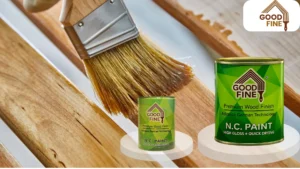
Spray or brush Good Fine PU or NC Topcoat in thin layers. Allow each coat to dry before applying the next.
Final Buff & Polish
After drying, lightly buff the surface and apply a finishing polish for lasting gloss.
Common Mistakes to Avoid
- Over-thinning the coating — it reduces strength and leads to uneven finish.
- Using low-quality sandpaper — can scratch or burnish the surface.
- Rushing the drying process — always follow manufacturer drying times.
- Mixing incompatible coating systems (e.g., NC thinner with PU coating).
- Ignoring ventilation — always refinish in a well-ventilated space.
Sustainability Tip: Refinishing Instead of Replacing
Sustainability in furniture care is a growing trend. Refinishing old wood furniture is not only cost-effective but also eco-friendly. By extending product life, you reduce waste and resource use — aligning with modern green-living goals.
Good Fine’s eco-conscious thinners and low-VOC coatings ensure safe application and a smaller environmental footprint.
Conclusion: Preserve Beauty, Extend Life
A little regular care goes a long way in keeping wood surfaces beautiful for years. Whether it’s your dining table, cabinets, or office interiors, following these cleaning and refinishing practices will preserve their charm and performance.
And when it’s time to refresh, Good Fine’s range of wood coatings, thinners, and stains offers professional-grade quality for every surface.